
Student loans are back in the spotlight. And whether you've been following the headlines closely or just catching bits and pieces here and there, there's a good chance they've been on your mind lately.
And if you’re questioning whether you have to hit pause on your plans to buy a home, here's the thing you have to remember:
Having student loans doesn't automatically mean buying a home has to wait.
The Biggest Myth About Student Loans and Buying a Home
One of the most common misconceptions among first-time buyers is that they have to pay off their student loans before they can qualify for a mortgage. But in most cases, that's just not true.
As an article from Redfin explains, student loans usually get evaluated the same way other debts do, like credit cards or car payments:
“Yes, you can get a mortgage with student loan debt. Lenders primarily assess your debt-to-income (DTI) ratio, which compares your monthly debt payments, including student loans, to your gross monthly income. Having student debt doesn’t automatically disqualify you if your DTI is within acceptable limits.”
So having that loan on your credit report isn't some special red flag that immediately disqualifies you.
Instead, lenders look at your overall financial situation, including your income, credit history, and more. Student loans are one piece of that puzzle, but they’re not the entire picture.
You're in Better Company Than You Think
Just to really drive this home, here’s a stat from the National Association of Realtors (NAR) that proves you can have student debt and still buy a home. Their research shows 33% of first-time homebuyers still had student loan debt.
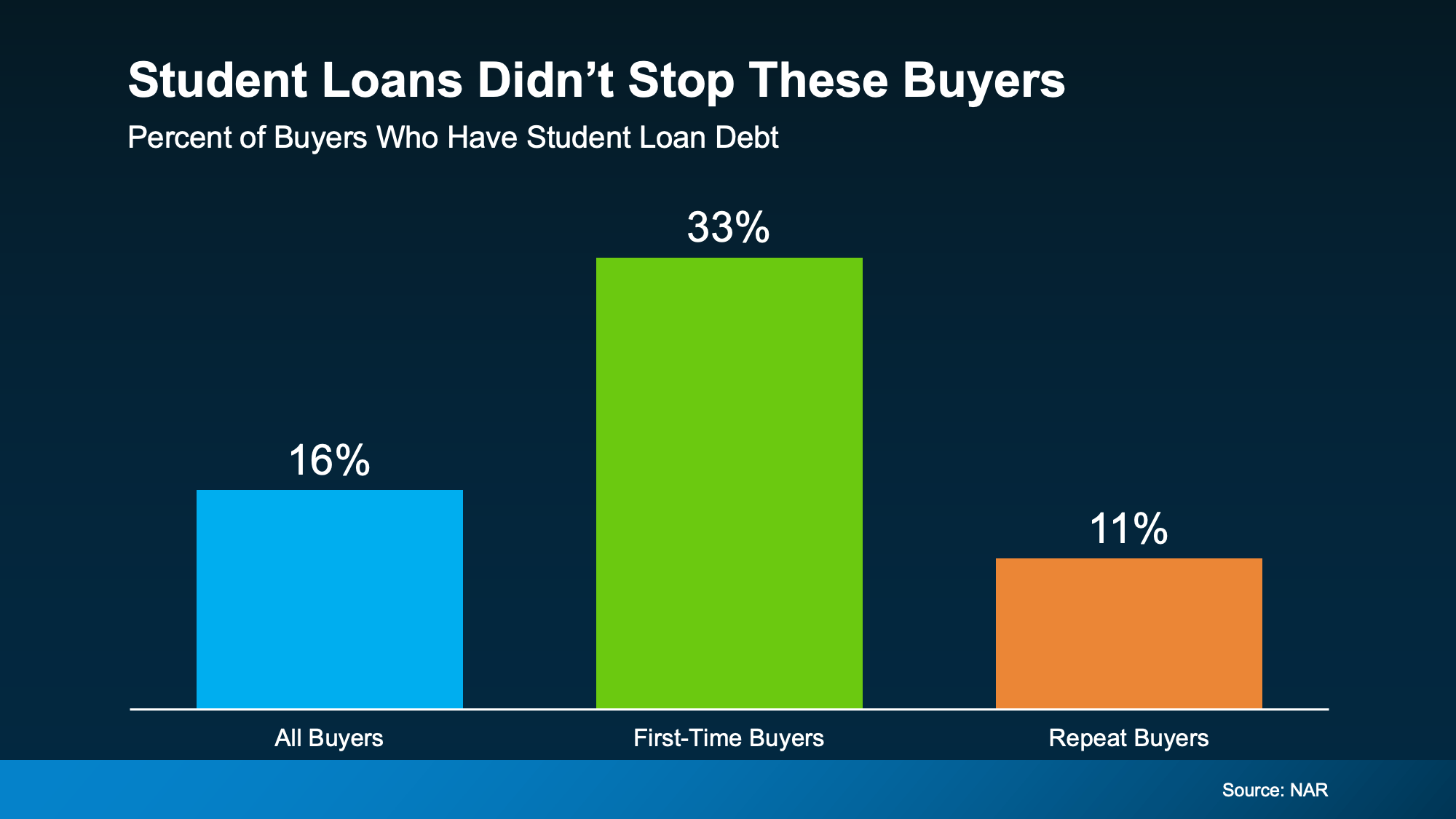
That's 1 out of every 3 first-time buyers. The median amount they owed? $30,400.
Let that reassure you that people are buying homes with student debt every day. And carrying student loans doesn't automatically put homeownership out of reach.
Don’t Count Yourself Out Before You Even Try
At the end of the day, here's where a lot of buyers trip themselves up. They assume the worst and never even check what they could actually qualify for. But your situation is more unique than a blanket "no."
If your income is steady and the rest of your finances are in decent shape, buying a home could be more realistic than you think. The only way to know for sure is to actually run the numbers with someone who does this for a living.
You may discover you're closer to buying than you think.
Bottom Line
Student loans don't have to be the thing standing between you and owning a home. If you've been putting off your homebuying plans because of that debt, talk to a lender about your options. It may not be the barrier you think it is.


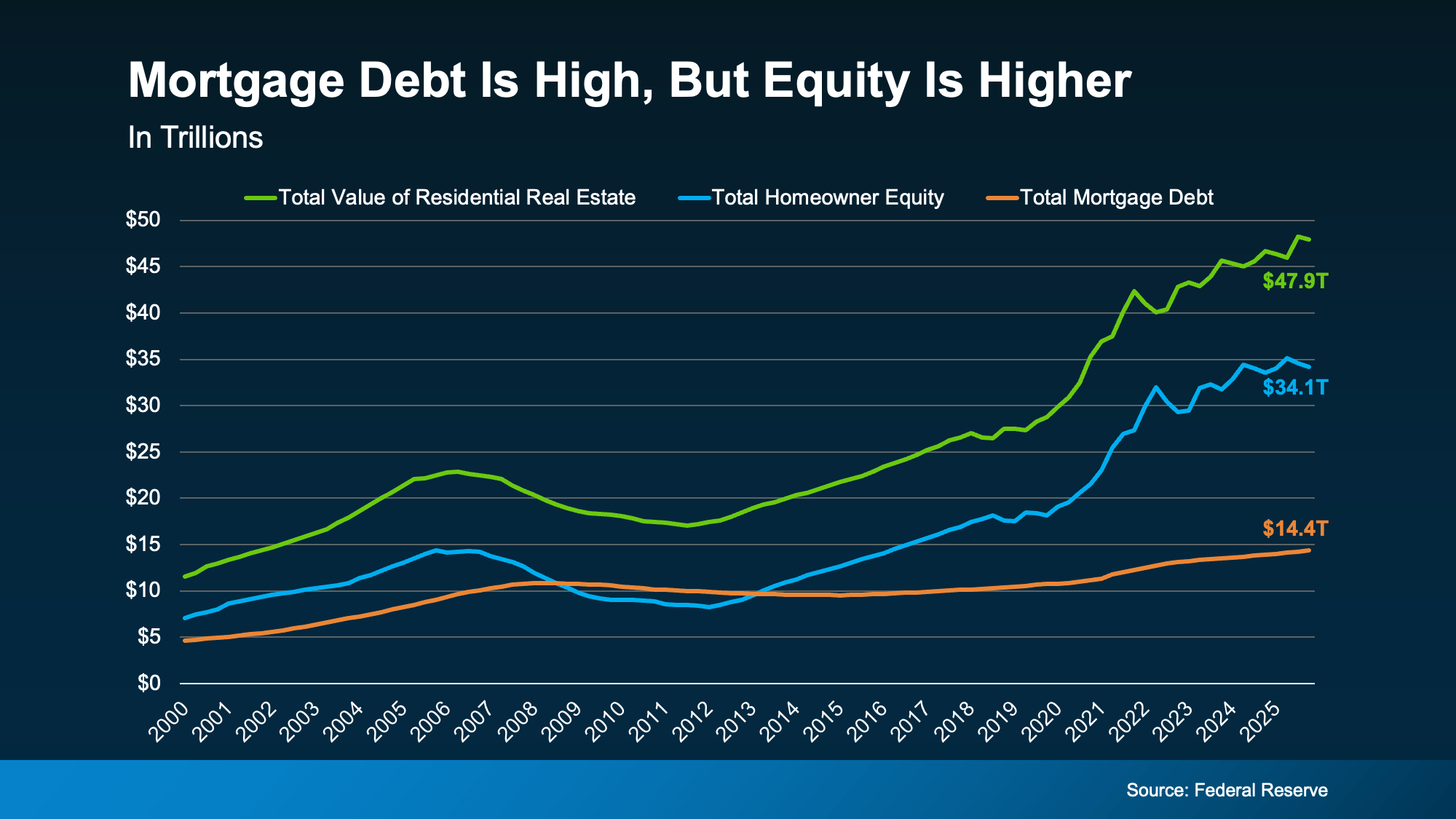 This chart from the Federal Reserve tracks three things from 2000 to today: the total value of all U.S. homes (the green line), the equity homeowners hold in those homes (the blue line), and the total mortgage debt owed on them (the orange line).
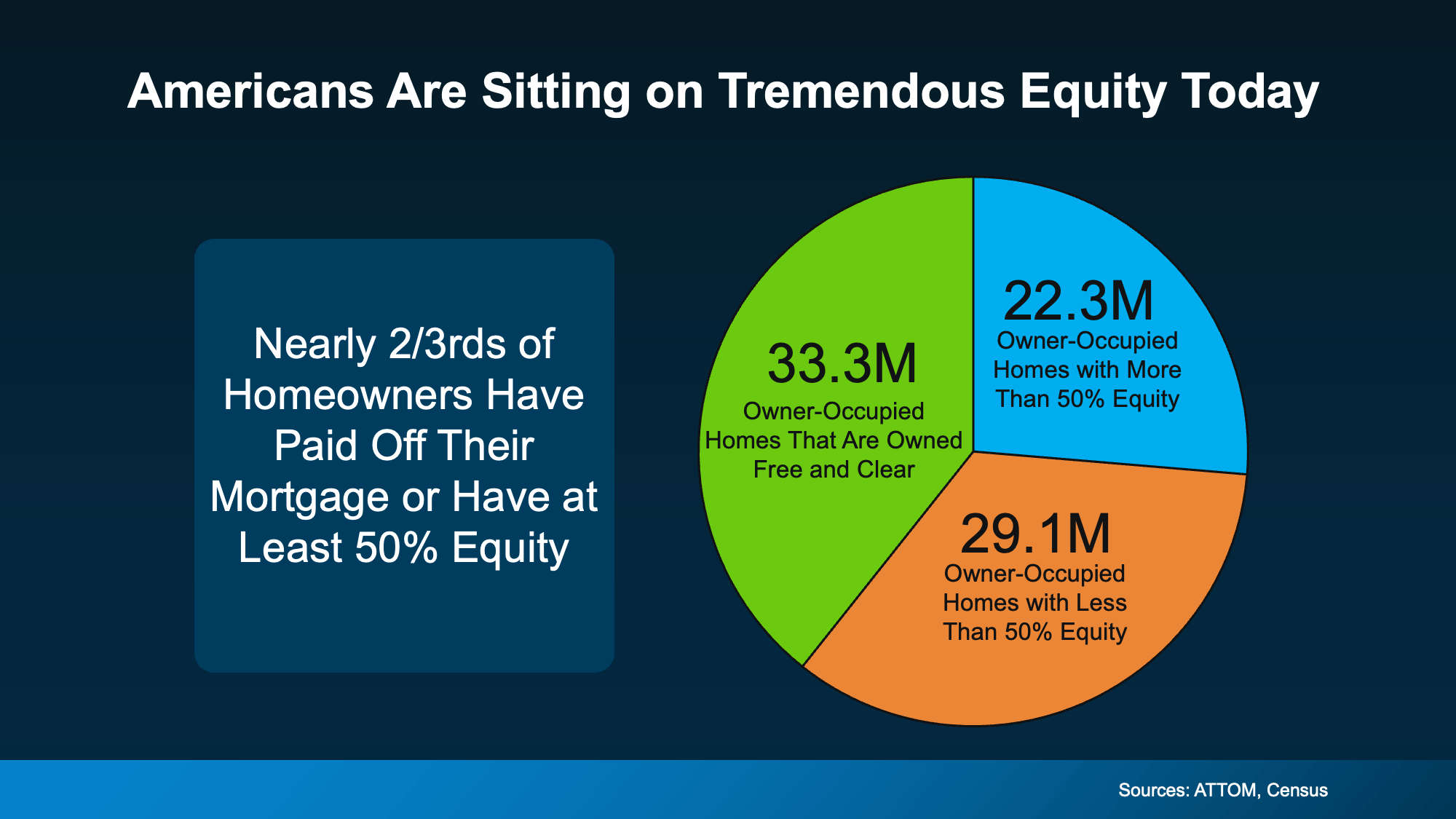 Out of all owner-occupied homes in the country, 33.3 million are owned completely free and clear – no mortgage, no lender, no risk of foreclosure. Another 22.3 million homeowners have more than 50% equity in their homes.

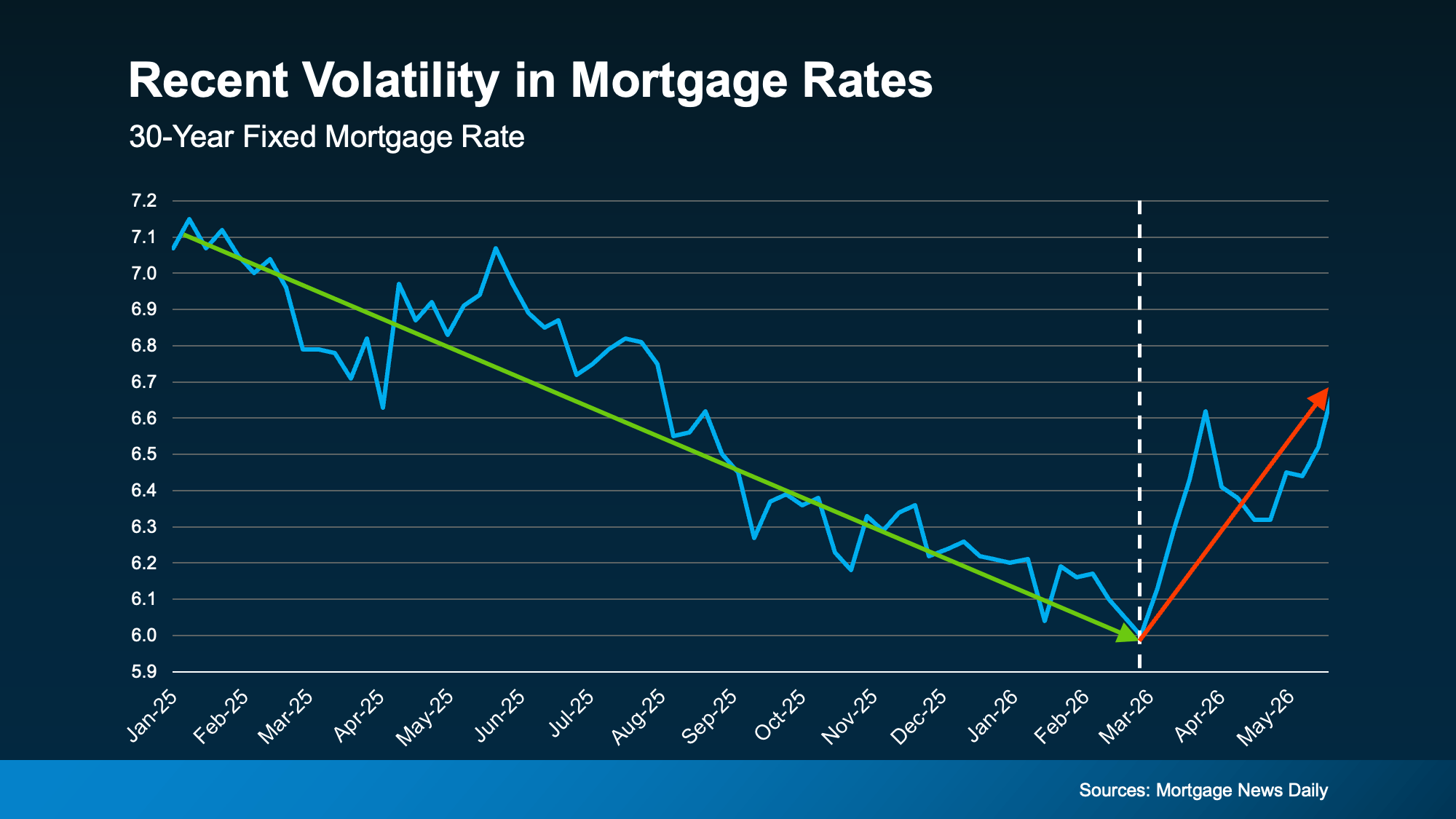 It’s a pretty sharp contrast from where we’ve been, in a relatively short window. And it's probably making you wonder: Should I just wait this out? Will rates fall when the uncertainty eases?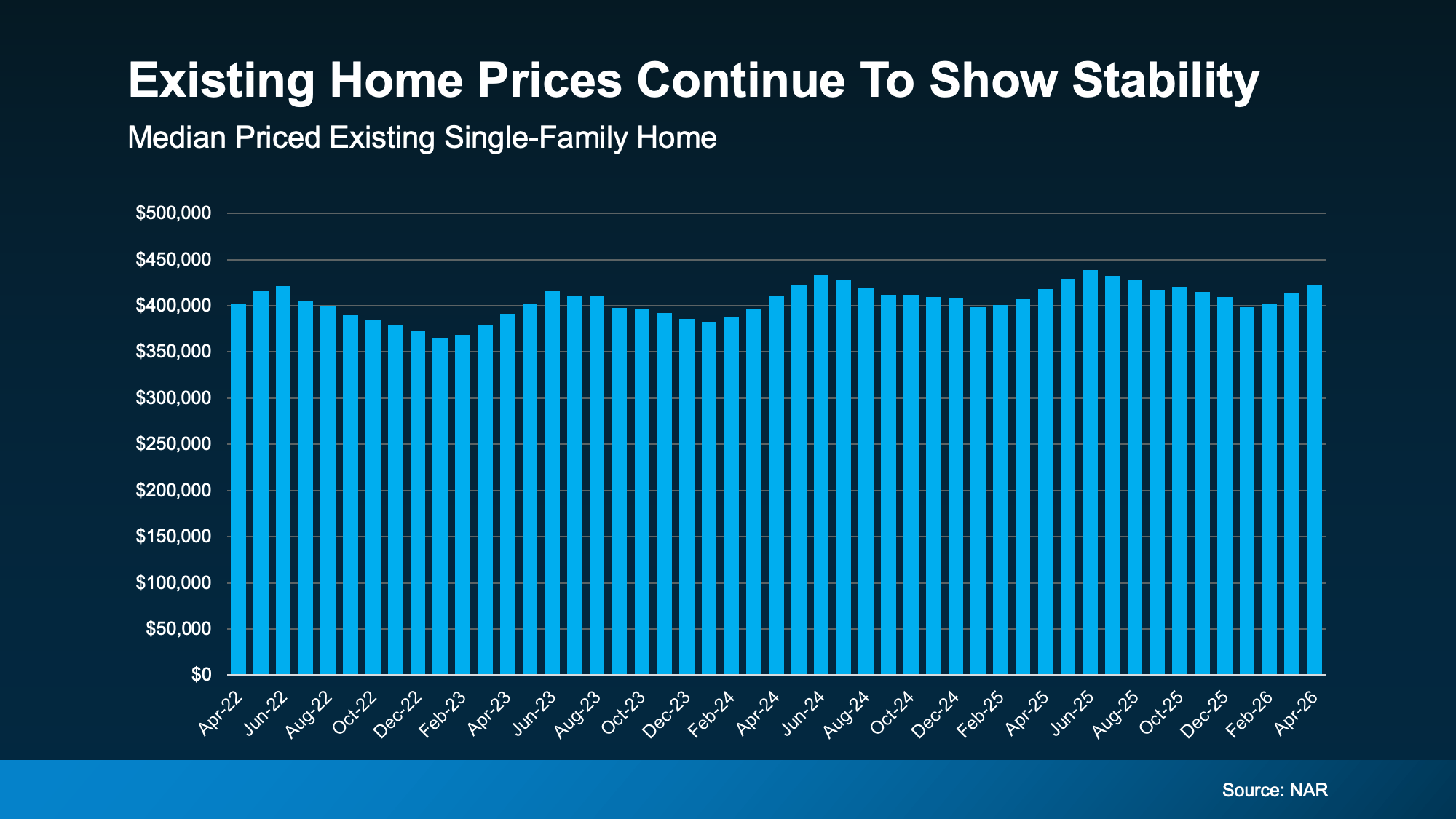

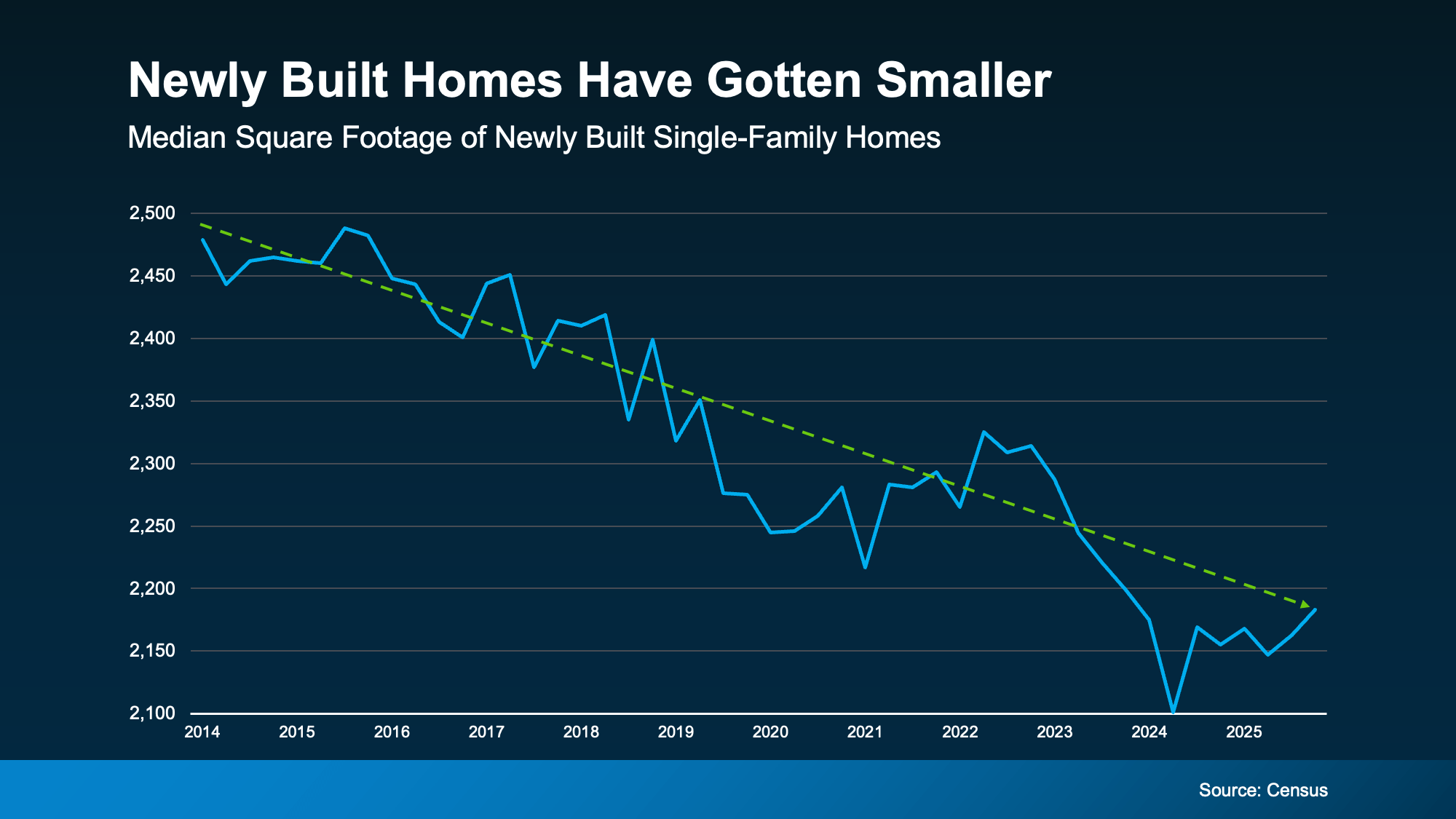
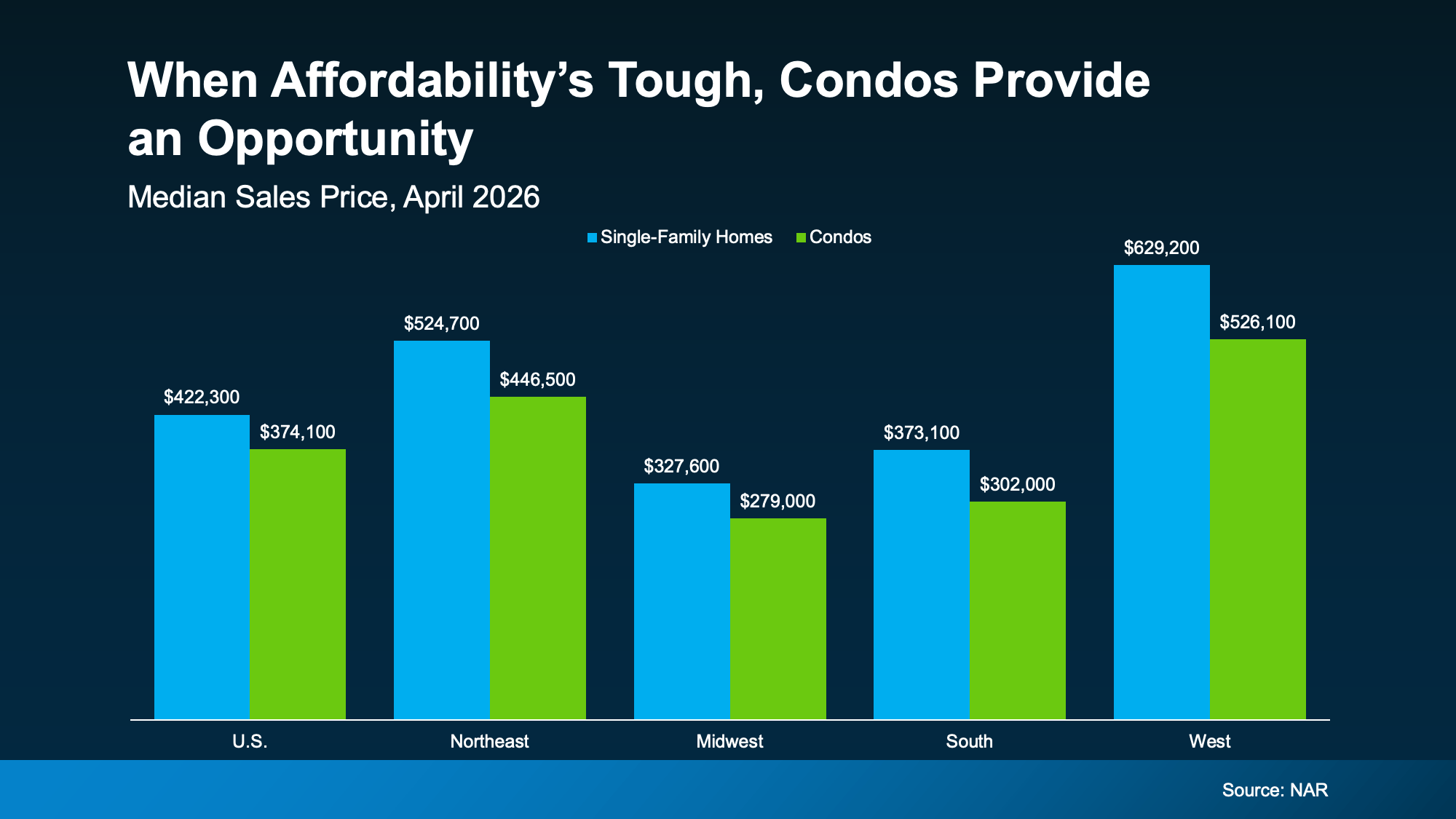

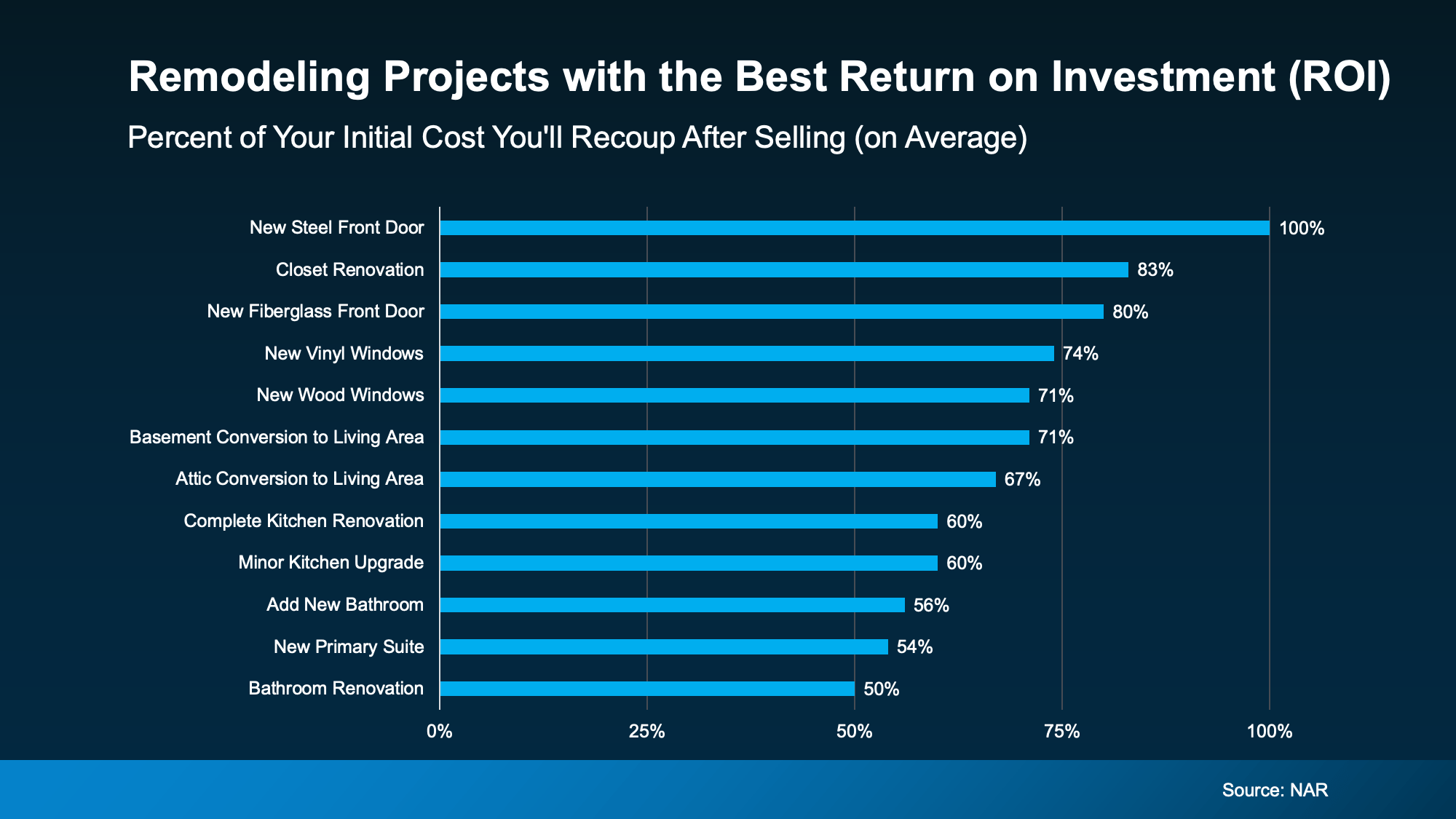 As you can see, there’s a wide range of projects on that list. Yes, some are bigger-ticket items, like kitchens or baths. But others are smaller updates with surprisingly strong ROI.
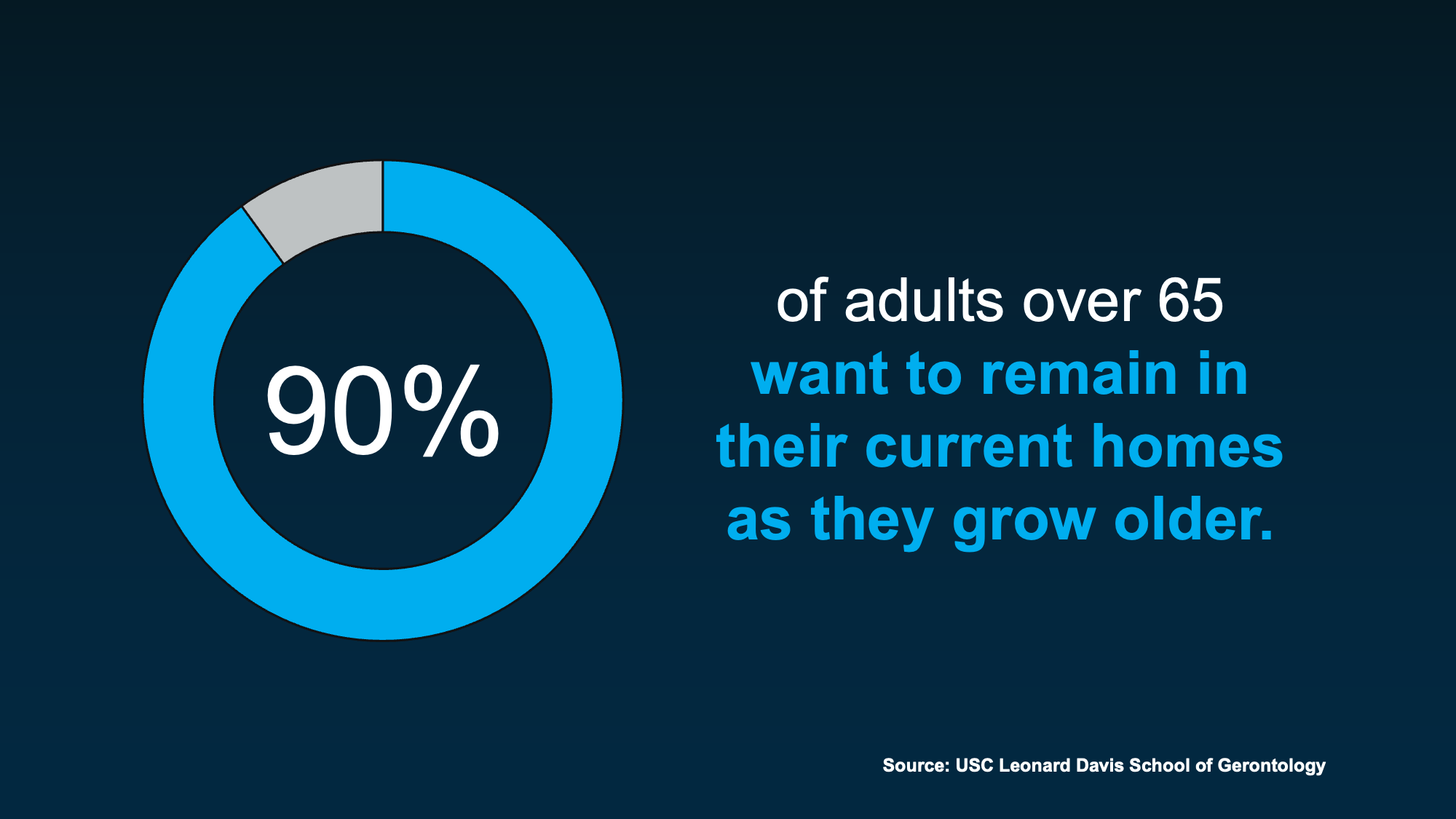 But even if staying feels like the right answer, it’s still worth thinking ahead about what that might actually look like. That’s where the right agent can really help.
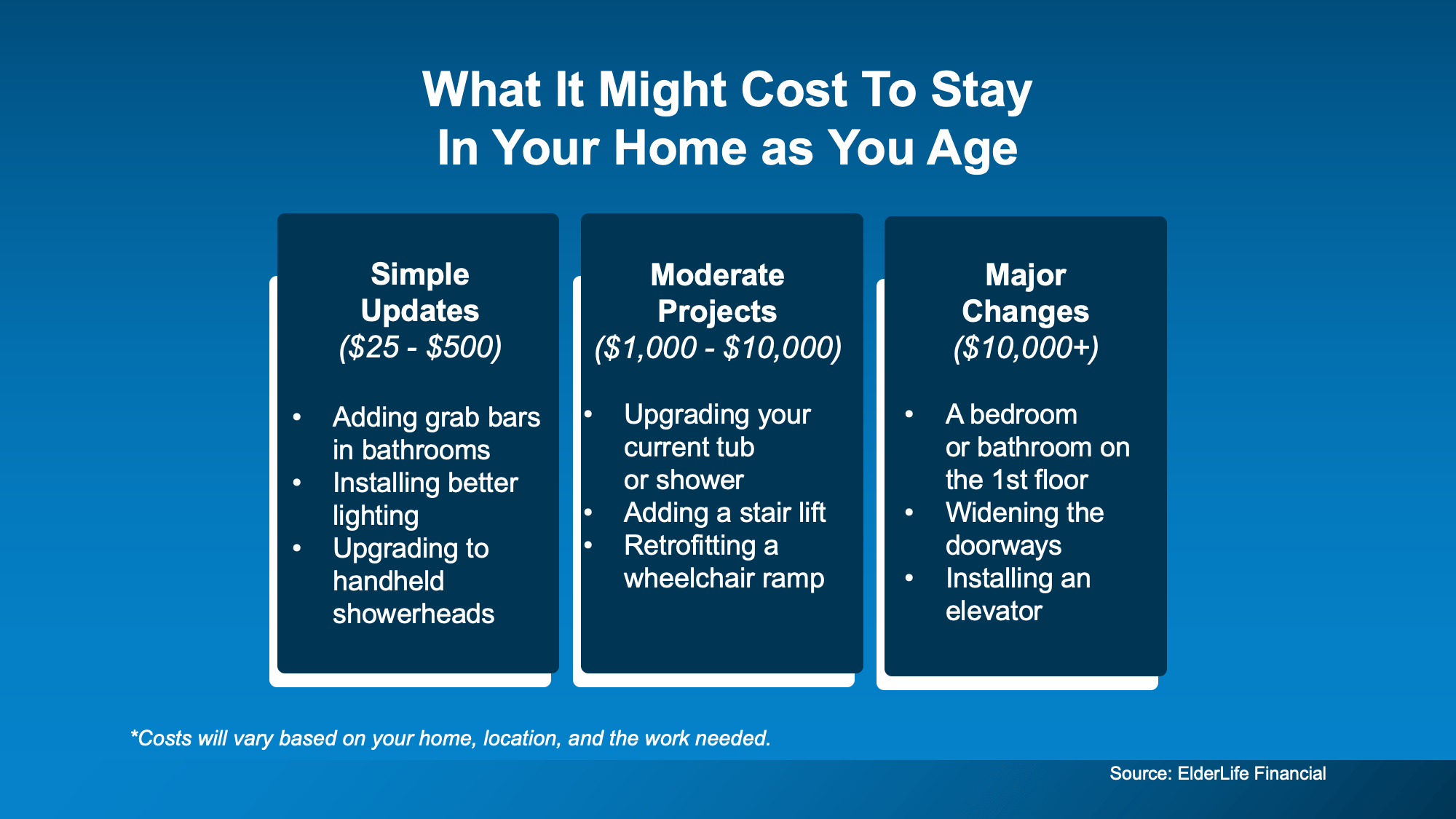 And don’t worry. If your heart is really set on staying, but the costs feel like a concern, it helps to know you have options. Depending on your situation, there may be financial assistance programs available, along with tools like
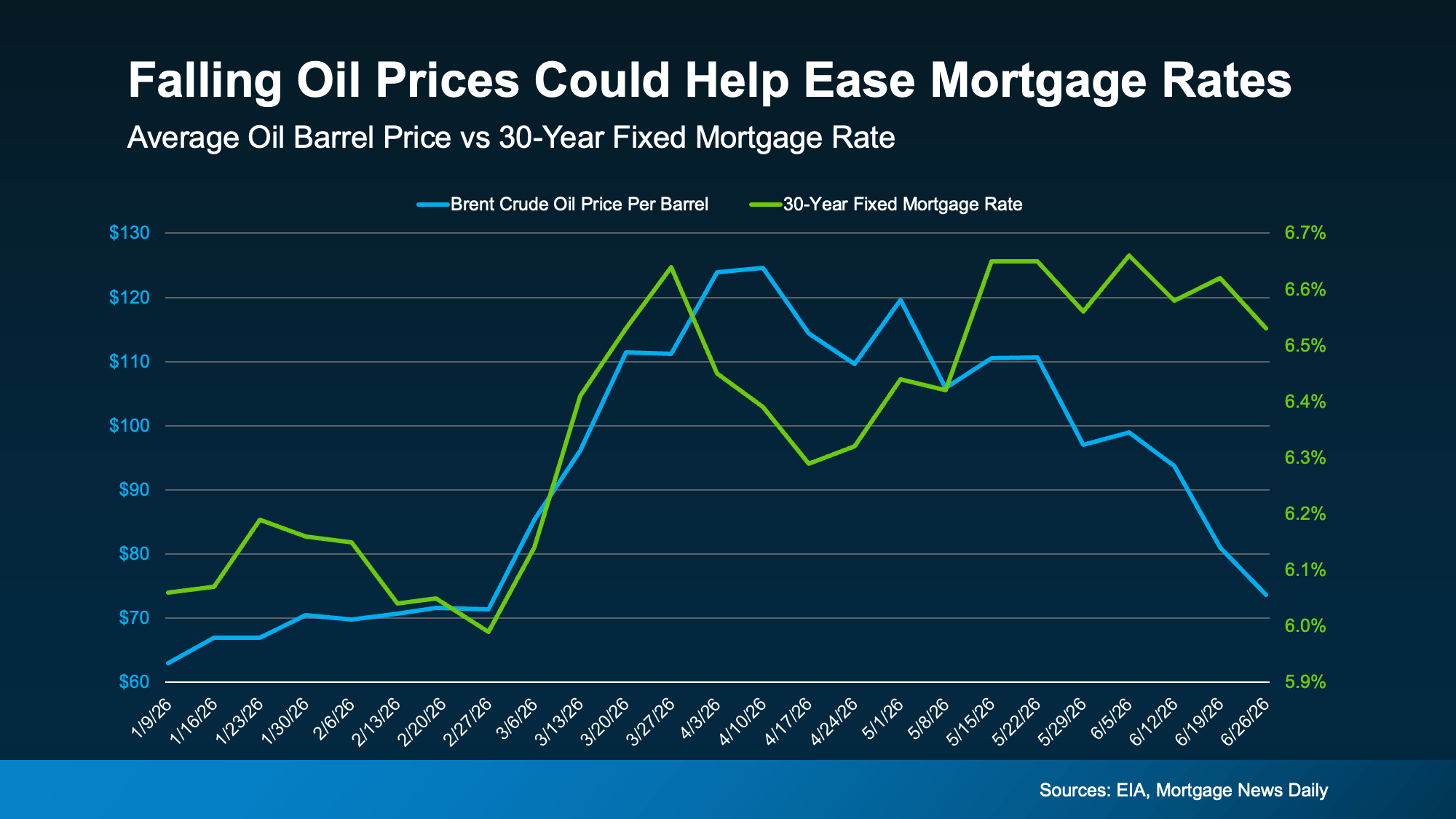
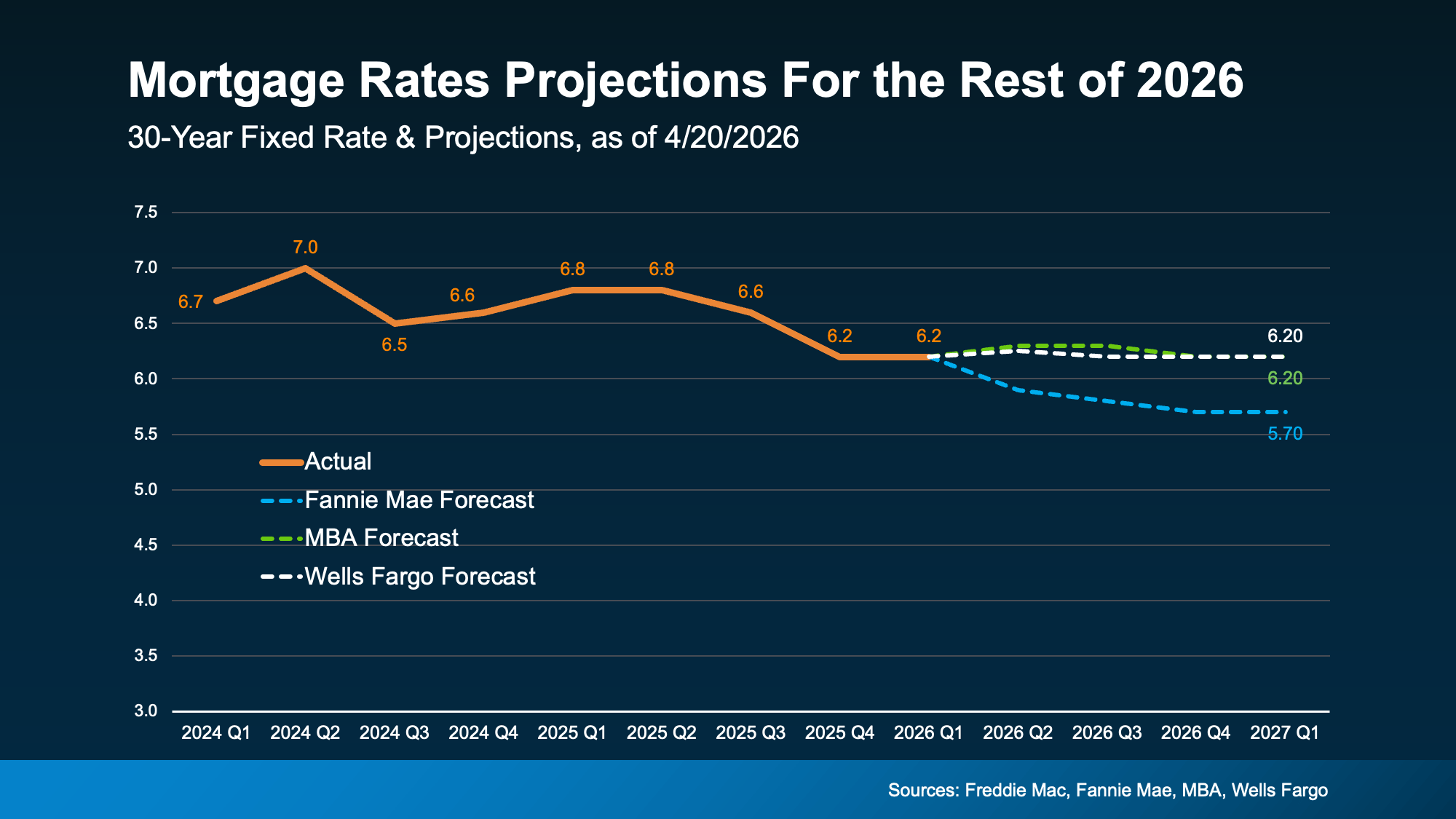 Of course, this depends on where inflation and the economy go from here. But, based on what we know today, waiting for a big drop in rates may not work out the way some people hope. As U.S. News explains:
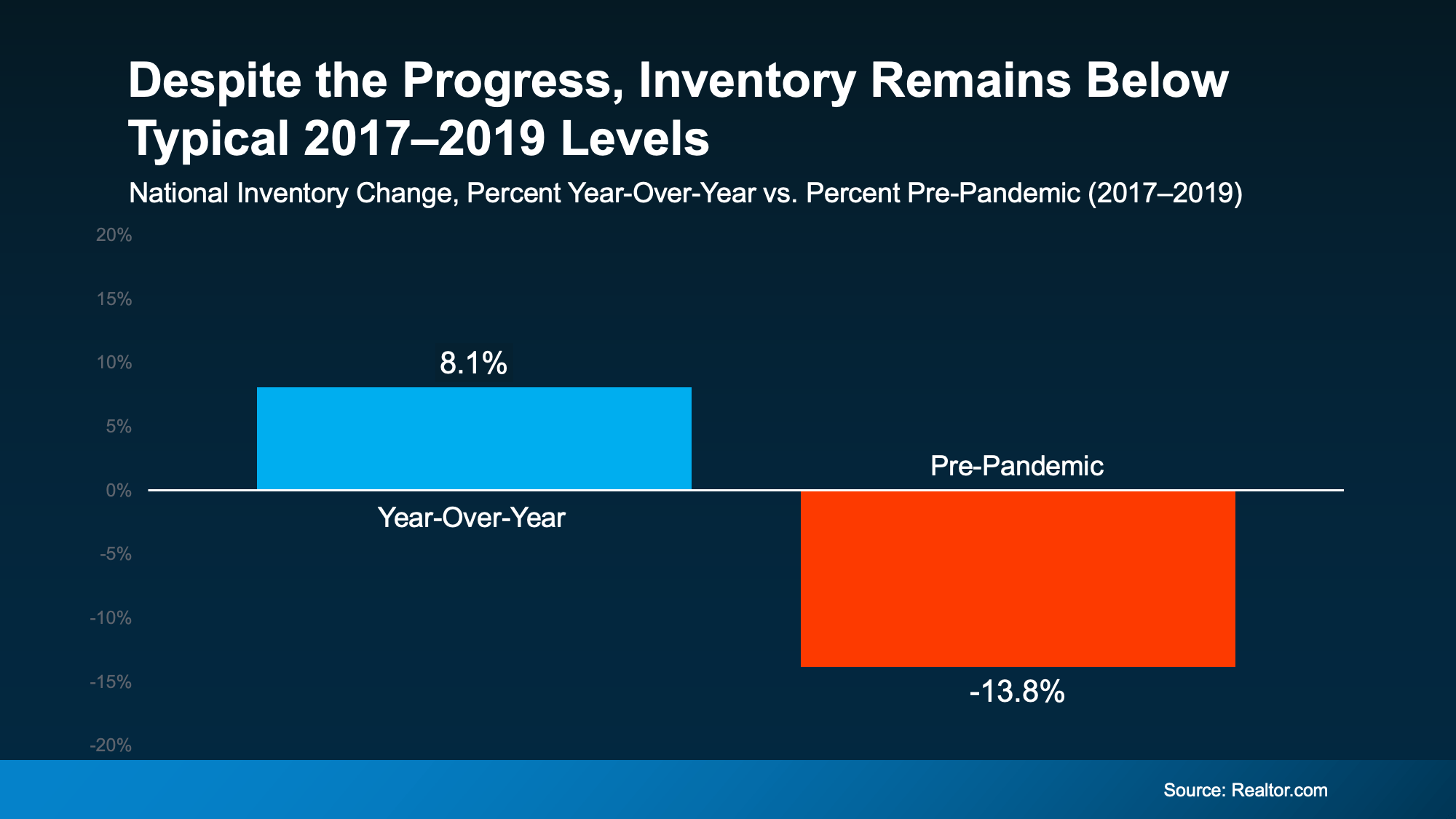 While it can vary a lot based on where you live, only
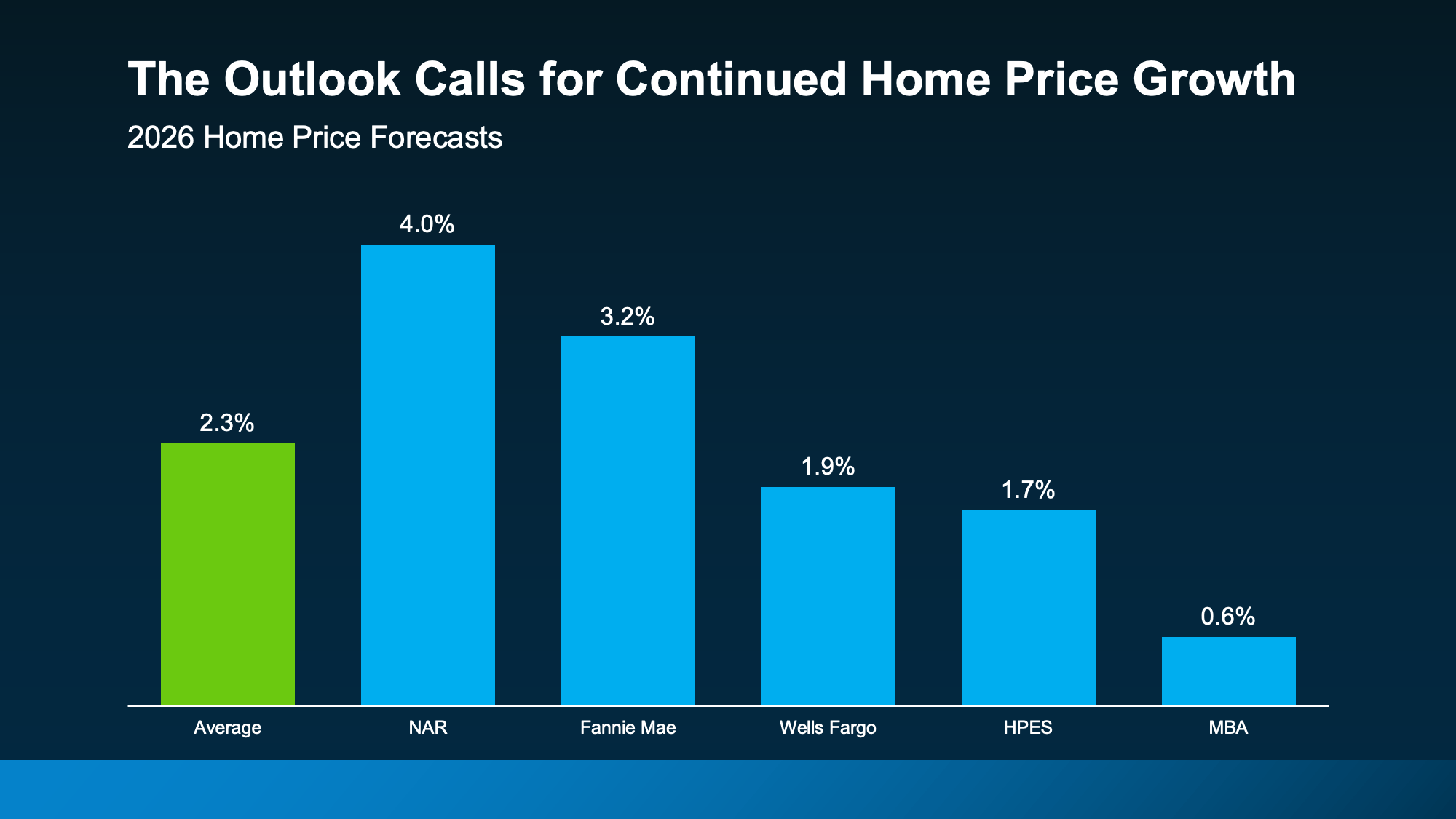
 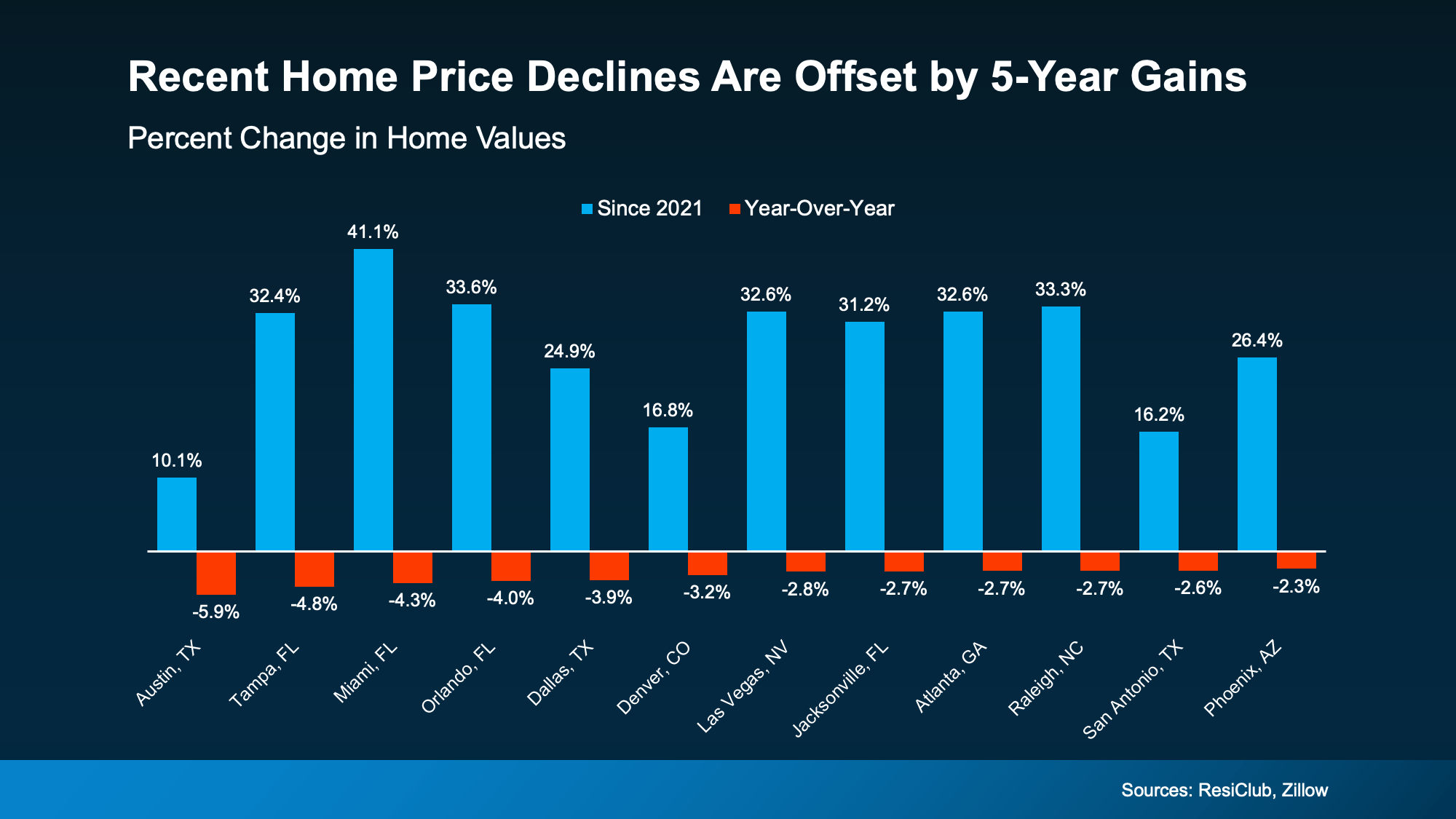 That’s not a crash. That’s just prices moderating after a few record-breaking years.
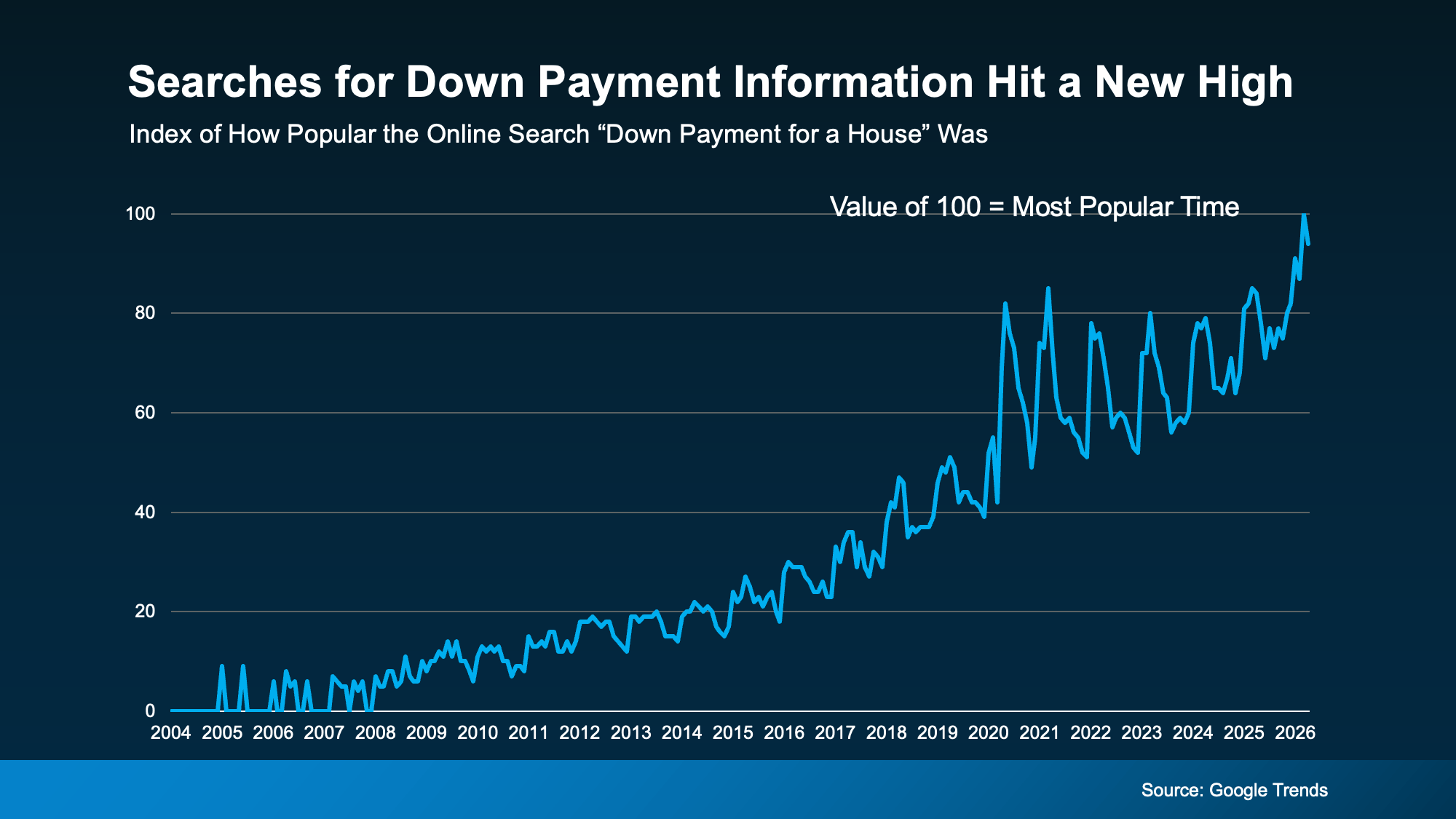 If you’re wondering the same thing, you can always turn to the internet for answers. But a lot of the time, it’s better to ask a local expert. Because here’s what a pro would tell you.
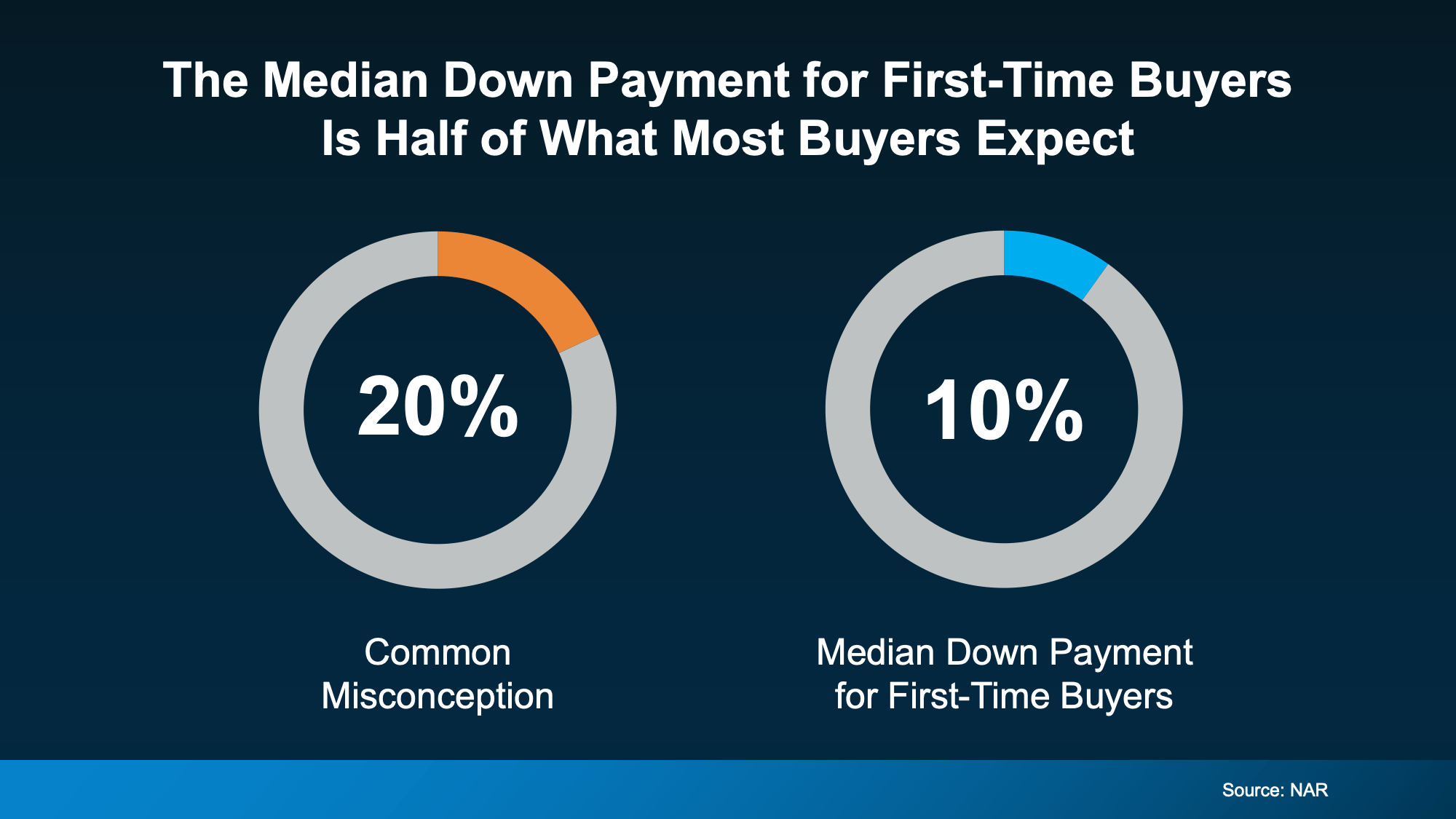 That means if you’re aiming to save 20% because you think you have to, you may be setting a timeline that’s longer than necessary.
 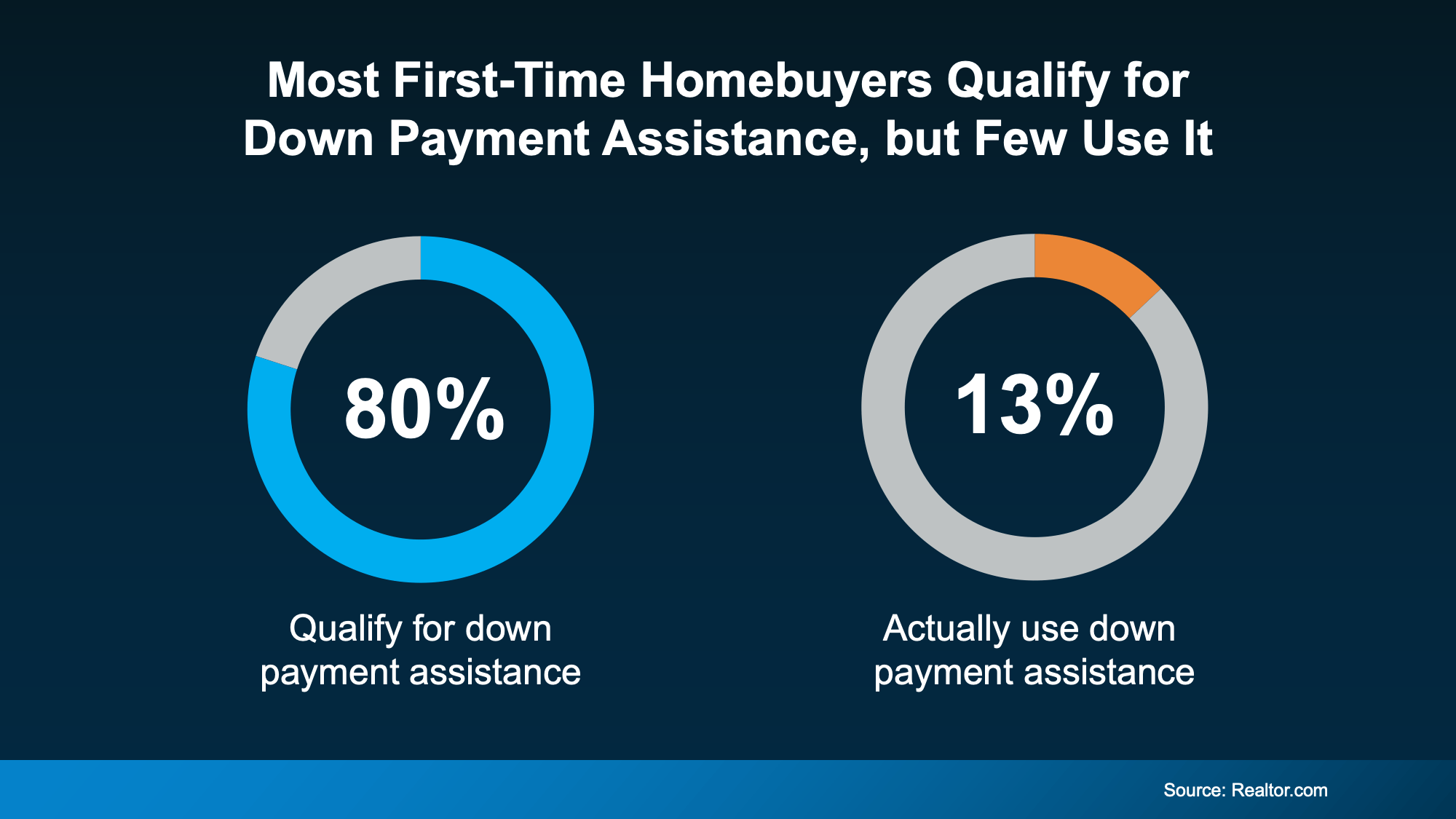 And that’s another big miss holding would-be buyers like you back.