1. What are the first steps to buying a home in Greater Lansing, Michigan?
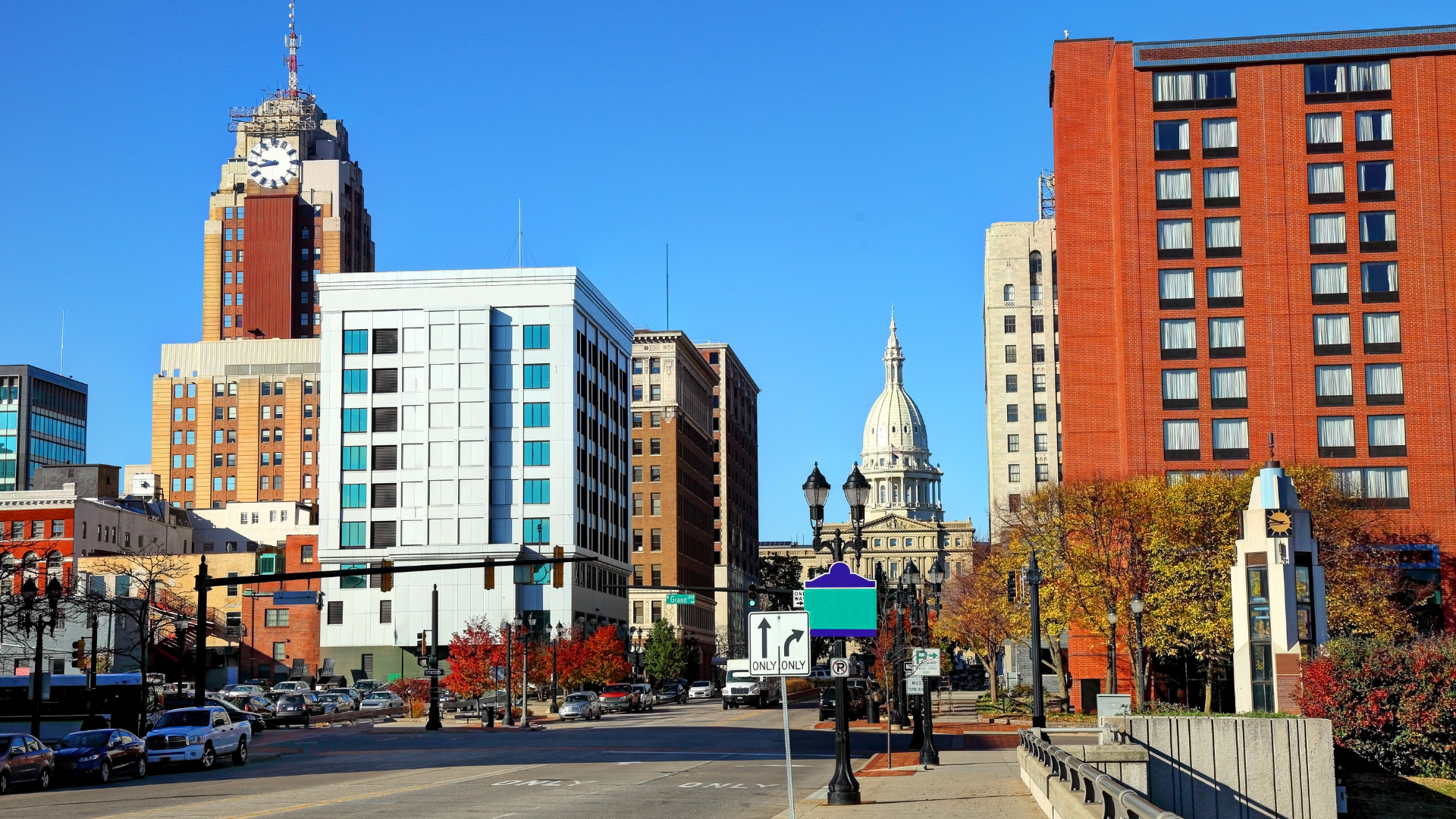
The first step to buying a home in the Greater Lansing area is getting pre approved by a trusted lender. Pre approval helps you understand your budget and shows sellers that you are a serious buyer. Once pre approved, you can begin touring homes in areas such as Lansing, East Lansing, Okemos, and Holt. Working with a local real estate professional can help you navigate negotiations, inspections, and closing.
2. How much do I need for a down payment to buy a home in Michigan?
Many Michigan home buyers believe they need 20 percent down, but that is not always the case. Depending on the loan program, buyers may qualify with as little as 3 to 5 percent down. First time home buyer programs in Michigan may offer additional assistance with down payments and closing costs.
3. Are there first time home buyer programs available in Michigan?
Yes. Michigan offers several first time home buyer assistance programs designed to help eligible buyers achieve homeownership. These programs may provide down payment assistance, reduced interest rates, or educational resources. A local REALTOR® and lender can help determine which programs fit your situation.
4. Is now a good time to buy a home in Greater Lansing?
The right time to buy a home depends on your goals, finances, and lifestyle needs. While mortgage rates and inventory levels fluctuate, buyers who are financially prepared often find opportunities in every market. If you are planning to stay in the home long term, waiting for the "perfect" market conditions may not always be necessary.
5. How long does it take to buy a home in Michigan?
The home buying process in Michigan typically takes 30 to 60 days after an offer is accepted. The timeline may vary depending on financing, inspections, appraisal requirements, and negotiations between the buyer and seller.
6. What closing costs should Michigan home buyers expect?
Michigan home buyers should budget for closing costs that may include lender fees, title services, appraisal fees, prepaid taxes, homeowner's insurance, and escrow deposits. Closing costs generally range from 2 to 5 percent of the purchase price.
7. What happens after my offer on a home is accepted?
After your offer is accepted, the home enters the contingency period. During this time, inspections, financing approval, and the appraisal are completed. Once all conditions are satisfied, you will attend closing and officially become a homeowner.
8. What should I look for during a home showing?
When touring homes in Greater Lansing, buyers should pay attention to the home's layout, condition, storage space, natural lighting, and potential repair needs. It is also important to consider the neighborhood, commute times, school districts, and future resale value.
9. How much is my home worth in Greater Lansing?
Your home's value depends on factors such as location, size, condition, recent upgrades, and comparable sales in your area. A professional comparative market analysis provides a more accurate estimate than automated online valuation tools.
10. What is the best time of year to sell a home in Michigan?
Spring and early summer are traditionally popular seasons for selling homes in Michigan because buyer activity tends to increase. However, well prepared homes can successfully sell year round, especially when priced appropriately and marketed effectively.
11. How do I prepare my home for sale?
Preparing your home for sale often includes decluttering, deep cleaning, completing minor repairs, improving curb appeal, and staging key living spaces. First impressions matter and can significantly influence buyer interest.
12. Should I make repairs before listing my home?
Not every repair is necessary before selling. Prioritizing safety concerns, deferred maintenance, and visible cosmetic updates can improve marketability. A local real estate professional can help determine which improvements offer the best return.
13. How long does it take to sell a home in Greater Lansing?
The time it takes to sell a home depends on market conditions, pricing strategy, location, and property condition. Homes that are competitively priced and professionally marketed often attract stronger buyer interest.
14. What costs should sellers expect when selling a home in Michigan?
Sellers may encounter expenses such as real estate commissions, title fees, transfer taxes, attorney fees if applicable, and negotiated buyer concessions. Understanding these costs upfront can help you plan for your next move.
15. Is staging worth it when selling a home?
Home staging can help buyers visualize themselves living in the space. Professionally staged homes often photograph better, generate more online interest, and may sell more quickly compared to vacant or cluttered properties.
16. Is Okemos, Michigan a good place to live?
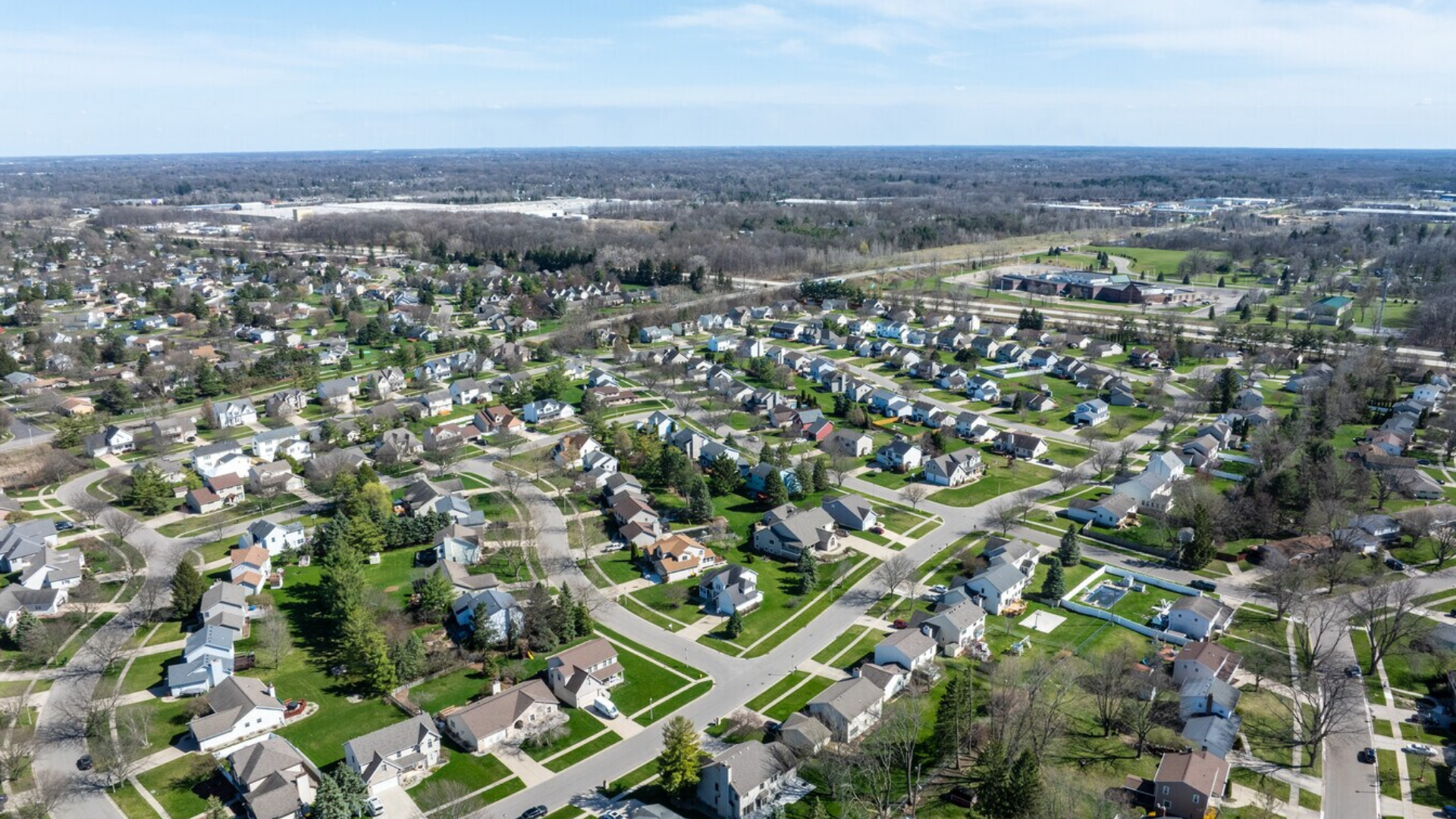
Okemos is known for its highly regarded schools, convenient shopping, parks, and strong sense of community. Its location near major employers and educational institutions makes it a desirable choice for many home buyers.
17. What are the best places to live near Michigan State University?
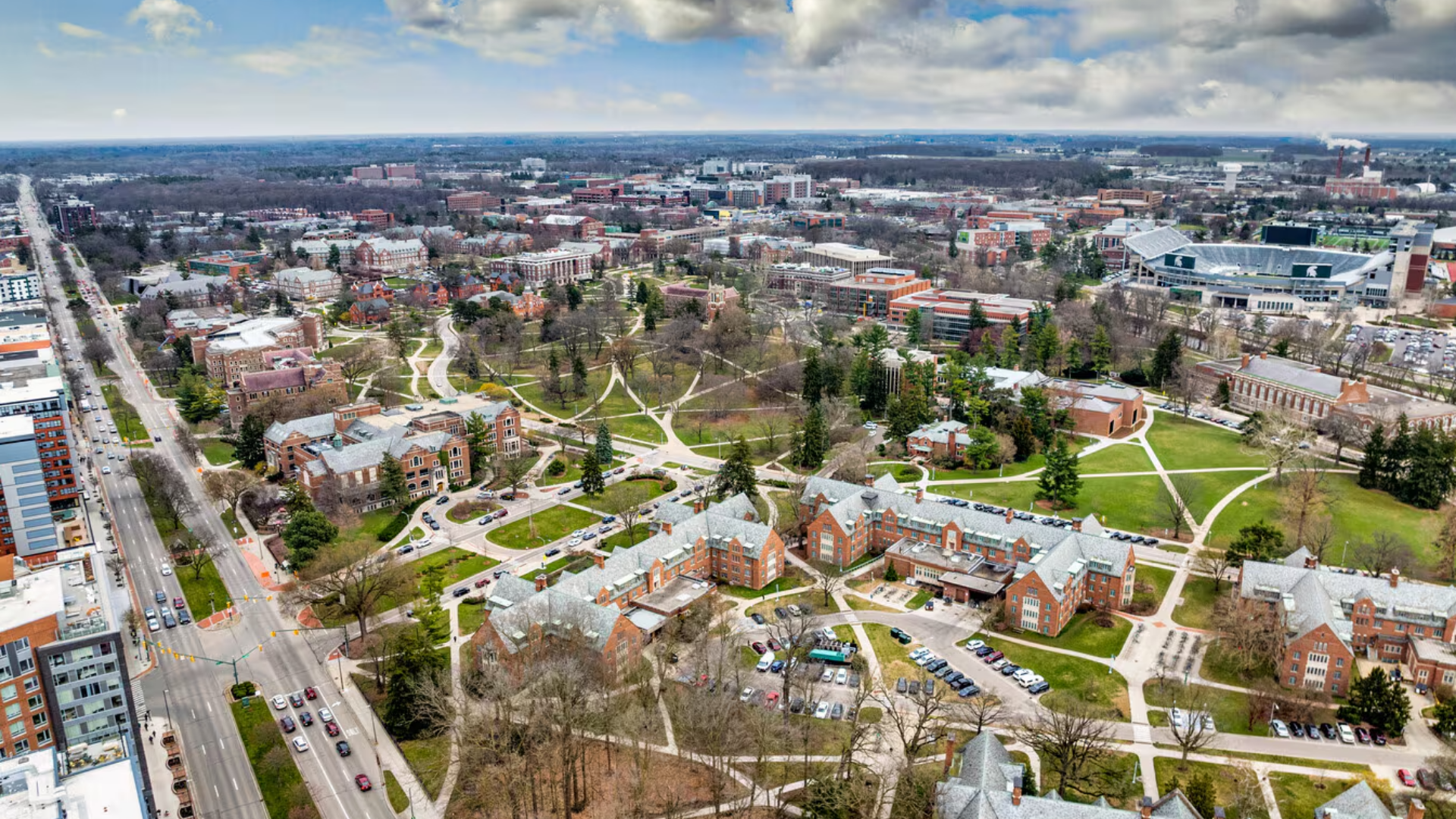
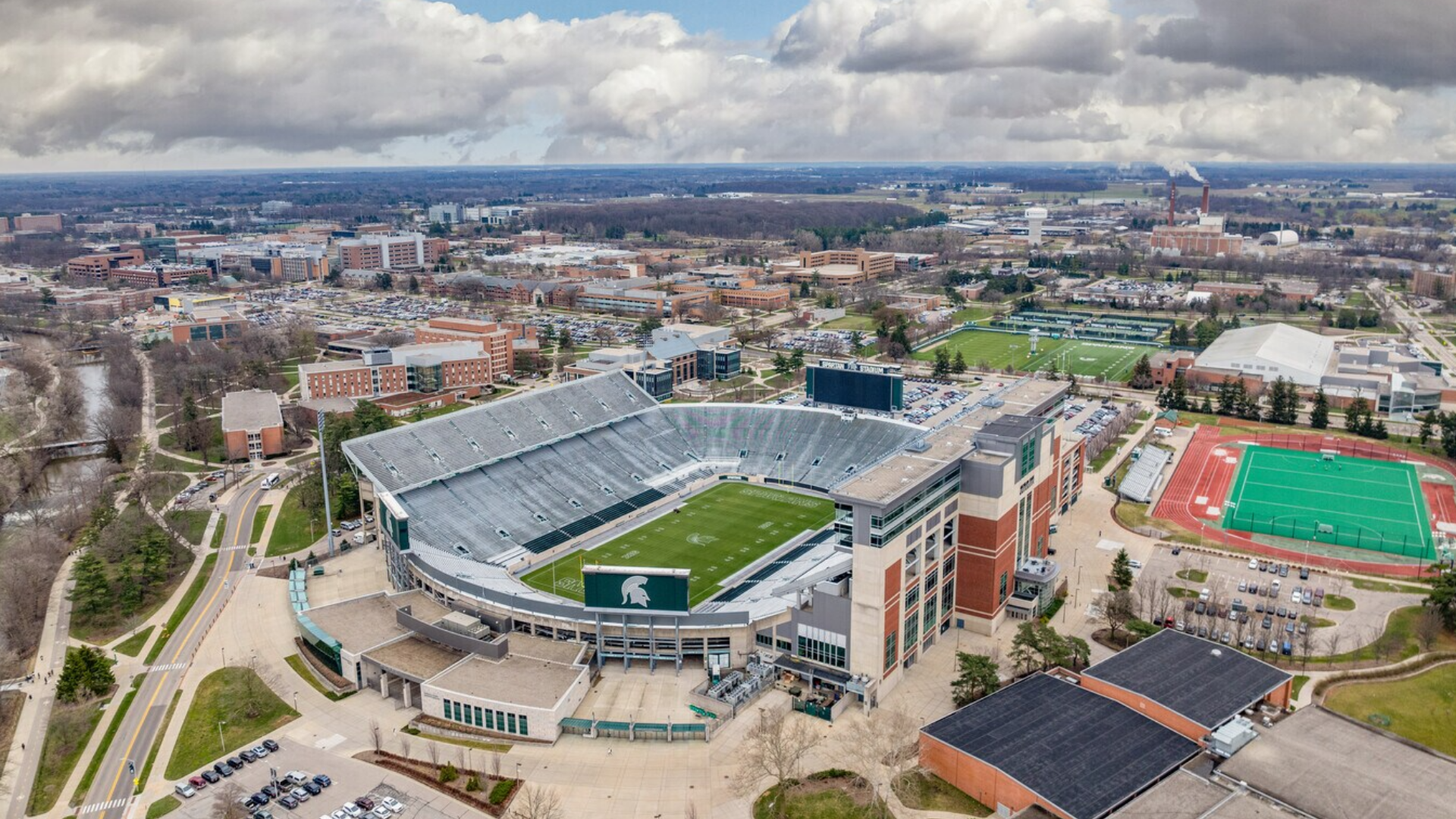
Communities near Michigan State University such as East Lansing, Okemos, and Haslett offer a variety of housing options ranging from historic neighborhoods to newer developments.
18. How do East Lansing, Holt, Haslett, and Grand Ledge compare?
Each community offers something unique. East Lansing provides proximity to Michigan State University and vibrant local amenities. Holt offers affordability and suburban convenience. Haslett appeals to buyers seeking lake access and established neighborhoods. Grand Ledge is known for its scenic beauty and small town charm.
19. Can I buy a home in Michigan if I already own one?
Yes. Many buyers purchase a new home while still owning their current property. Depending on your financial situation, you may choose to buy before selling, make your purchase contingent upon the sale of your existing home, or explore bridge financing options.
20. Why should I work with a local Greater Lansing REALTOR®?
A local Greater Lansing REALTOR® understands neighborhood trends, pricing strategies, school districts, and market conditions specific to the area. Whether you are buying or selling in Lansing, East Lansing, Okemos, Holt, Haslett, or Grand Ledge, local expertise can help you make informed real estate decisions with confidence.